
Untapped Talent Pools for Solving the Trades Shortage
Every trade business seems to be chasing the same narrow pool of candidates.
Most recruitment strategies target the same 18-to-24-year-old pool everyone else is fighting over. Career changers, mature age workers, and women already working towards or holding trade qualifications make up a largely untapped part of the workforce, despite bringing real, practical advantages to a team.
Why Widening Your Search Matters More Than Ever
The businesses already pulling ahead on staffing aren't necessarily winning by outbidding everyone else on pay. They're looking in more places and treating career changers, mature-age workers, and women as genuine candidates rather than exceptions to the usual hire.
Winning over Gen Z and Millennial candidates is one part of solving the shortage. Widening who you consider in the first place is another.
Career Changers Bring Transferable Skills Most Trade Businesses Underrate
Someone who has spent 10 years in retail management, hospitality, or the military brings things a straight-from-school candidate has not had time to develop: reliability under pressure, customer-facing experience, and a genuine sense of what they want from their next role, because they chose it deliberately rather than fell into it.
The main hesitation employers have is around retraining time. Recognition of prior trade-related learning can fast-track someone who has already spent years doing adjacent, practical work, cutting a multi-year trade pathway down considerably. It is worth asking a candidate what transferable experience they are bringing before ruling them out over a lack of formal trade history.
A structured first few months, pairing them with someone experienced, and being upfront about the physical or technical gaps they will need to close, makes the transition faster for everyone.
Mature Age Workers Bring Judgement and Reliability You Cannot Fast-Track
Older candidates are sometimes passed over on assumptions rather than evidence: that they will struggle physically, that they are set in their ways, or that they will leave once something better comes along. In practice, mature age workers tend to have lower turnover, not higher, simply because they are further past the stage of changing jobs every year or two to figure out what they want.
They also make strong mentors for less experienced members of the team, bringing judgement built over years on different sites and different jobs, the kind of judgement that is hard to teach and easy to undervalue.
Women in Trades Are an Untapped Pool Most Businesses Still Overlook
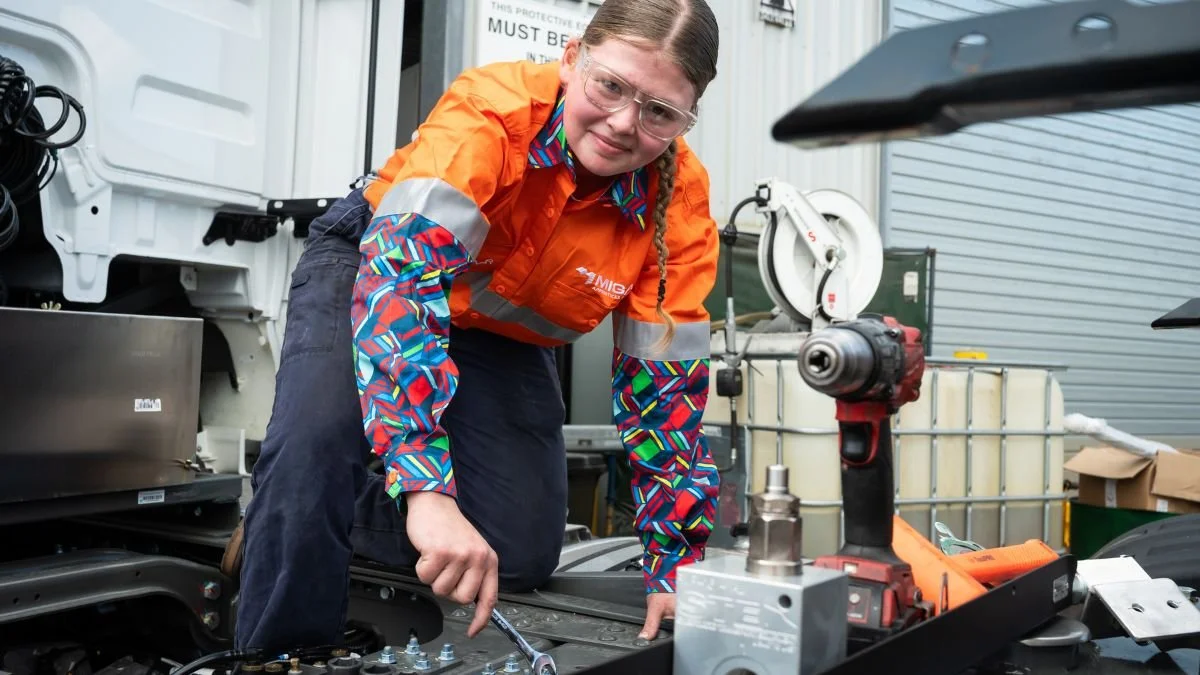
Women make up just 2% of the trades workforce in Australia, according to NSW Government research. At the same time, recent government data shows nearly 80% more women training in male-dominated trades than five years ago, and the number starting out as electricians has more than doubled over the same period. A small base growing quickly is exactly the kind of opportunity most businesses aren't positioned to see.
The same NSW research points to flexible work arrangements as one of the biggest barriers to keeping women in the trade once they're hired, alongside properly fitted uniforms, equipment, and facilities. On the recruiting side, broadening beyond referrals matters more than most employers expect: many women considering a trade don't have a tradie in the family pointing them toward it, so reaching them means using job sites, social media, and organisations such as Tradeswomen Australia, not relying on word of mouth alone.
The rest of the practical fix is reviewing your own process: job ad language that reads as gendered, interview conversations that leave out what the team culture is really like, and screening criteria that filter good candidates out before they get a fair look.
Building a Recruitment Approach That Reaches These Groups
A few practical shifts make the biggest difference. Write job ads around what the role really involves, day to day, rather than a generic wish list of requirements. Advertise beyond the channels you have always used, community groups, retraining programs, and local networks often reach people your usual job boards do not. Review your screening criteria for requirements that sound necessary but are not, a set number of years in the trade specifically, rather than the transferable experience that gets someone most of the way there.
None of this needs to happen all at once. Widening even one part of how you search, who you advertise to, or what you screen for, opens the door to people who were never going to apply through the usual channels.
The trades shortage gets solved by businesses willing to look somewhere other than the same small pool of school leavers everyone else is competing for. If you do not have the reach or the time to run that kind of search yourself, that is exactly where a specialist trades recruiter earns their keep. Talk to MiRecruit about broadening your candidate pool for your next hire.