What to Expect in a Trades Recruitment Screening Call
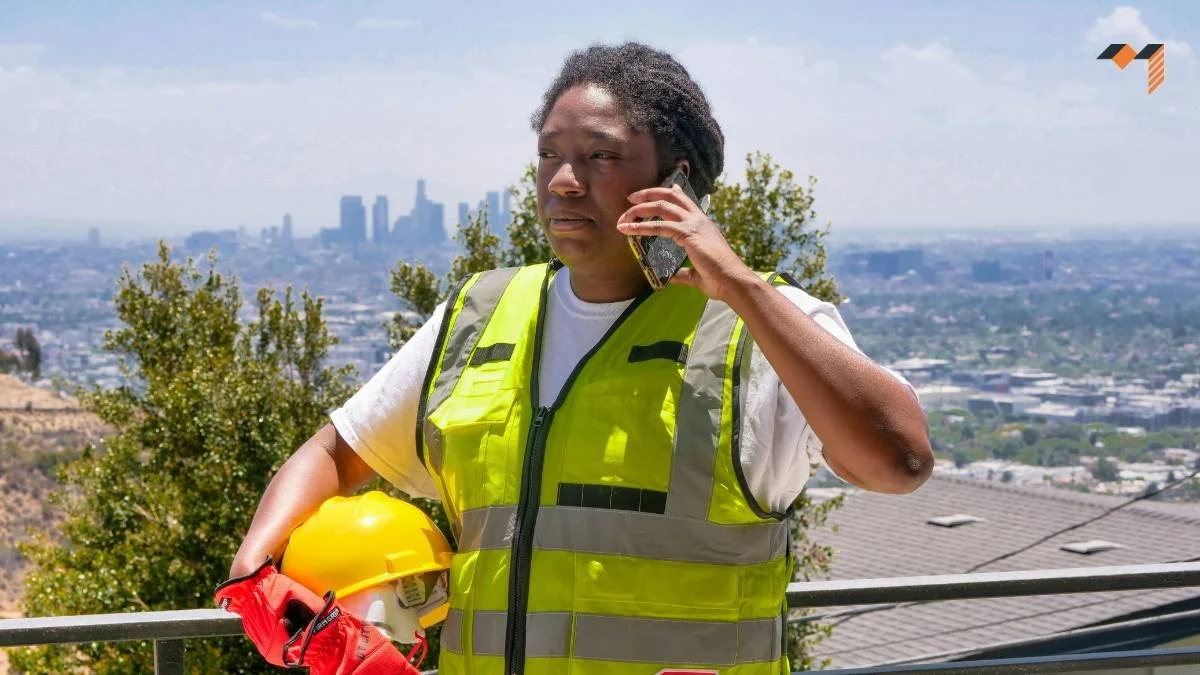
You've registered your details, a role has come up that matches your trade, and a recruiter has reached out to arrange a trades recruitment screening call.
Good sign. Knowing what to expect - and what's worth having at the back of your mind during a job search - means you're never caught completely off guard when that call comes in.
What a Screening Call Actually Is
A screening call is typically the first real conversation between you and a recruiter after you've registered or applied for a role. It usually runs between 15 and 30 minutes and happens over the phone.
The purpose is straightforward: the recruiter wants to understand your trade background, confirm your tickets and licences, get a sense of what you're looking for, and work out whether the role they have in mind could be a genuine fit. It's not about catching you out. It's about making sure neither of you wastes the other's time.
What You'll Likely Be Asked
Every recruiter does things a little differently, but a trades screening call will typically cover some version of the following:
Your trade and experience
What's your trade, how long have you been qualified, and what kinds of work have you been doing? Be ready to give a clear overview - not your entire work history, just the highlights most relevant to where you're at now.
Your tickets and licences
Which tickets do you hold, are they current, and when do they expire? Having this information ready saves time and signals that you're organised. If anything has lapsed, be upfront - a good recruiter would rather know now than have it come up later.
What you're looking for
Are you actively looking or just open to the right opportunity? What kind of work do you want to be doing - industry, hours, location, roster? What would make you consider moving from where you are now? You don't need to have all the answers pinned down, but having thought about it beforehand makes for a better conversation.
Your availability
When could you start if the right role came up? Are there any notice period considerations?
Your pay expectations
Most recruiters will ask what you're currently earning and what you'd be looking for. Be honest. There's no benefit in overstating your current rate - it tends to come out, and it puts everyone in an awkward position.
What You Should Be Asking Too
A screening call goes both ways. A recruiter who's doing their job properly will expect you to have questions - and a candidate who asks good ones tends to stand out.
Some worth having ready:
What does the role actually involve day-to-day?
Who would I be working for and what's the team like?
What are the hours and roster - is there any flexibility?
Is this a permanent role or contract?
What's the timeline - how quickly is the employer looking to move?
You don't need to run through a list. Just ask what genuinely matters to you. The call is your chance to work out whether this opportunity is worth pursuing, not just the recruiter's chance to assess you.
What Good Looks Like in a Screening Call
The screening call is also your first chance to make an impression - and it happens whether you're ready for it or not. The good news is that the attributes that come across well in a screening call are the same ones that make a good tradesperson: you don't need to perform them, just let them show.
Reliability
How you show up to the call matters. Answering promptly, calling back quickly if you miss it, and being somewhere you can actually hear and be heard all signal that you're someone who follows through. A recruiter who can't get hold of you, or who has a conversation disappear into background noise, will move on.
Honesty
Be straight about where you're at. If a role isn't quite right, say so. If something about your situation is complicated - a gap in your history, a constraint on your availability, a ticket that needs renewing - raise it early rather than hoping it won't come up. Good recruiters aren't looking for perfect candidates. They're looking for candidates they can trust.
Clarity about what you want
You don't need to have everything figured out, but being able to articulate what you're looking for - even in broad terms - makes a recruiter's job easier and increases the chances of being matched to something that actually suits you. "I'm open to anything" doesn't give a recruiter much to work with.
Genuine interest
Asking questions, engaging with what the recruiter is telling you about the role, and showing you've thought about your next move all signal that you're taking the opportunity seriously. Candidates who treat the call as a two-way conversation - rather than a box to tick - tend to be the ones who move forward.
What's Worth Keeping in Mind During a Job Search
Because screening calls often come out of the blue - sometimes days or even weeks after you've applied - the most useful preparation isn't about getting ready for a specific call. It's about knowing your own story well enough that you can pick up the phone any time and hold a decent conversation.
A few things worth keeping front of mind while you're actively looking:
Know your tickets
Have a rough idea of what you hold, what's current, and what might need renewing. Employers in the trades move quickly, and not having this information ready can slow things down at a critical moment.
Remember what you've applied for
It sounds simple, but when a recruiter calls about a role and you have no recollection of applying, it's not a great start. Keep a rough note of what you've put your name to.
Know your number
Be clear on your current rate and what you'd be looking for. Fumbling this question - or giving an inconsistent answer across different calls - can undermine an otherwise strong conversation.
Have a quiet moment ready
You can't always control when a call comes in, but if you know you're in the middle of a busy period on site, it's worth letting a recruiter know the best time to reach you. A missed call that gets returned promptly is far better than a call taken in a situation where you can't properly engage.
After the Call
If the role sounds like a genuine fit, the recruiter will typically take things forward with the employer on your behalf - which usually means presenting your details and advocating for you before any formal interview is arranged.
If it's not quite right, a good recruiter won't leave it there. They'll keep your details and reach out when something more relevant comes up. That's the point of registering - you're not just applying for one role, you're getting someone in your corner who knows what's out there.
Not Registered Yet?
If you're a qualified tradesperson who's open to hearing about new opportunities - whether you're actively looking or just keeping an eye on what's out there - register with MiRecruit to get trade job alerts matched to your trade and experience.
When a role comes up that fits, one of our team will be in touch for exactly the kind of conversation described above. No pressure, no obligation.