Why Culture is Your Most Powerful Trades Recruitment Tool
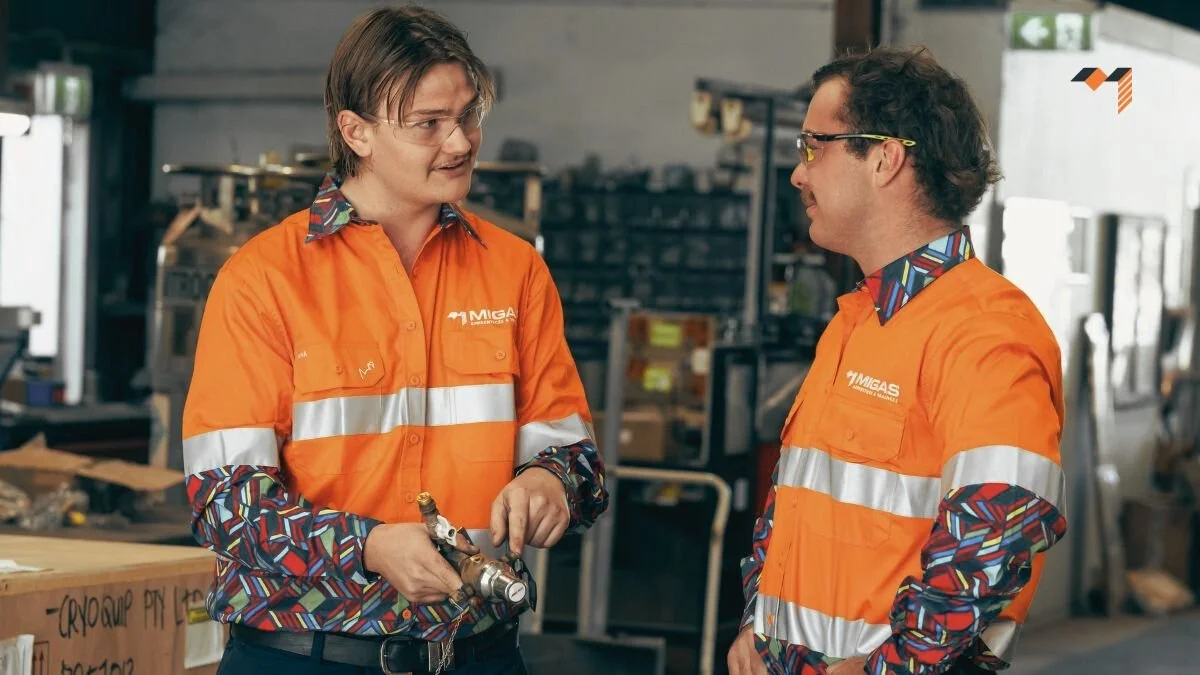
Trades recruitment is tough right now. Getting a qualified tradesperson through the door is hard enough – keeping them is harder.
Australia's construction and trades sector is operating under real workforce pressure. Construction unemployment hit a record low of 3.2% in early 2025, and BuildSkills Australia has warned the sector needs around 90,000 additional skilled workers to meet housing targets.
At the same time, qualified tradespeople – electricians, plumbers, carpenters, and others – know their value and have options. They can move between employers, go out on their own, or pick up contracting work through an app.
In that environment, salary alone isn't enough to hold your best people. Company culture (how your business actually operates day to day) is increasingly the difference between strong tradesperson retention and a revolving door.
Skilled Trades Workers are Watching How You Treat Your Team
There's a persistent myth in the trades that workers stay put if the pay is right. The data tells a different story.
Research by SEEK found that 76% of Australian workers have left or would leave a job due to poor workplace culture, and that 71% would turn down a job offer if they felt the culture wasn't right for them.
A separate survey found that toxic or misaligned culture is the second most common reason employees reject job offers outright, just behind inadequate pay. Among those who do take jobs and then leave, poor management style and workplace culture are consistently in the top three reasons for departure.
Trades businesses that assume skilled workers will put up with a poor environment because 'that's just how sites are' are working against themselves. The tradespeople you most want to keep – the experienced ones who show up reliably, take pride in their work, and pass skills on to others – are exactly the ones who have the confidence to leave when they're not being treated well.
The Real Cost of Losing a Qualified Tradesperson
Most businesses underestimate what it actually costs them when a skilled tradesperson walks out the door.
AHRI's industry data estimates that each employee departure costs at least 50% of that person's annual salary when you factor in lost productivity, recruitment costs, and the time it takes to get a new person up to speed. For a qualified electrician or plumber earning $90,000 to $110,000 a year, that's a real hit to the business, not just an inconvenience.
Then there's the less visible cost. Experienced tradespeople carry knowledge. They know the quirks of your processes, your clients, your suppliers, and your way of working. When they leave, that knowledge leaves with them.
Replacing a reliable senior tradesperson isn't just a matter of filling a headcount – you're rebuilding capability that took years to develop.
Add to that the current market conditions. With construction vacancies still elevated across Australia, building and construction remains one of the top six industries facing significant vacancies nationally, making it genuinely difficult to replace a qualified tradesperson quickly.
Every week a skilled role sits empty has a real impact on what your business can take on and deliver.
What Qualified Tradespeople Actually Want From an Employer
Experienced tradespeople aren't complicated in what they want from work. But they are direct about it.
Understanding what it takes to retain tradespeople long-term comes down to a few consistent themes. Here's what the data shows and what recruitment specialists hear consistently.
Respect for their expertise
Qualified tradespeople have invested years earning their tickets and building their skills. They want to work for a business that recognises that. That means being given appropriate responsibility, being consulted on decisions that affect their work, and not being micromanaged on technical matters they know better than their manager does.
A team that operates well
Most experienced tradespeople have worked in dysfunctional environments before. They know the difference between a well-run team and a chaotic one, and they'd rather take slightly less money to work somewhere that operates properly. Clear communication, reliable scheduling, and a site culture where people look out for each other are things that experienced workers value and notice.
A manager or business owner who is straight with them
Gartner's survey data found that manager quality and people management ranked among the top three reasons Australian workers intended to leave their jobs, for the second consecutive quarter at the end of 2024. In the trades, this translates simply: tradespeople want a fair, direct, and consistent boss. They don't need it to be perfect – they need it to be honest.
A path forward
Even experienced tradespeople think about where their career is heading. Whether that's upskilling, taking on more senior site responsibilities, or having a stable long-term role they can build a life around, businesses that invest in their people's development earn loyalty.
PwC's 2024 Workforce Hopes and Fears survey found that 45% of Australian workers believe they have skills not visible from their job history, and among those likely to switch employers, 63% say they have 'hidden' skills they'd like to use. That's an opportunity for employers who are paying attention.
Culture is Your Trades Recruitment Advantage
Reputation travels fast in trade communities. If your business is known as a good employer with fair pay, decent management, and a team that works well together, that reputation does some recruitment work for you.
Qualified tradespeople talk to each other. They know which businesses in the construction workforce look after their workers and which ones don't. Being known as an employer of choice in the trades doesn't require a marketing campaign. It requires consistent behaviour.
77% of Australian workers say workplace culture is important when choosing a role, and many say they've walked away from jobs where the reality didn't match what they were sold.
That means expectations are set during hiring – and when the reality doesn't match, people leave. The businesses that are transparent about how they operate, what the day-to-day looks like, and what they expect from their team attract workers who are genuinely a good fit and stay longer as a result.
Your culture is your employer brand, whether you've deliberately built it or not. What are your current tradespeople saying about working for you?
Five Practical Things You Can Do Right Now
You don't need an HR department or a formal culture program to start improving. Here are five things any trades business can act on today.
Have honest conversations with your current team. You don't need a formal survey – a direct conversation over a coffee or on the way to a job will tell you more. Ask what's working and what isn't. If people feel like their input is valued, that itself is a culture signal.
Be clear about what you're offering and what you expect. Qualified tradespeople respect straight talk. If the job is physically demanding, say so. If there's room to grow into more senior responsibilities, spell that out. Clarity upfront means fewer surprises and better retention.
Recognise quality work – and say so. It sounds simple because it is. Experienced tradespeople are often self-directed and don't need constant praise, but genuine acknowledgement of work done well, whether in front of the team or one-on-one, goes a long way. In a sector where good work often goes unsaid, it stands out.
Invest in your team's development. Even a small gesture – supporting someone to get a new ticket, covering the cost of upskilling, or putting a strong tradesperson forward for more complex projects – signals that you see a future with them. That matters.
Look at how your site actually operates. Think about the team dynamics on your site right now. Is there a clear chain of communication? Are conflicts dealt with directly? Does the senior tradesperson set a good example? Culture isn't abstract – it's what happens between people every day. Start there.
The Bottom Line
Qualified tradespeople are in demand across Australia, and they know it. The businesses that hold onto their best skilled trades workers aren't necessarily paying the most – they're creating environments where people feel respected, well-managed, and invested in.
In a sector facing real workforce shortages, that's not just good management practice. It's a competitive advantage.
Need help finding and keeping the right trades talent for your business?
MiRecruit specialises in trades recruitment across Australia. We connect employers with qualified tradespeople who are the right fit – not just on paper, but for the team.
To find out how we can help, contact us or call 1300 464 427.